
Weekly Market Commentary

After a historic landslide victory for the Labour Party, Sir Keir Starmer became the seventh Labour Prime Minister on Friday. Securing a massive 412 seats, the incoming Prime Minister spoke outside 10 Downing Street for the first time, declaring “Our country has voted decisively for change, for national renewal and the return of politics to public service.”
Acknowledging the challenges ahead and the fractured vote that delivered Labour its biggest parliamentary majority in decades, Mr Starmer said, “We need to move forward together.” He cautioned that changing a country is “not like flicking a switch… This will take a while but have no doubt that the work of change begins immediately.”
The Conservative Party sustained huge losses, securing a total of 121 seats, a loss of 251. While Rishi Sunak retained his seat in Richmond and Northallerton in Yorkshire; a number of senior Conservative MPs lost their seats including former Prime Minister Liz Truss, Defence Secretary Grant Shapps, Leader of the House Penny Mordaunt and Jacob Rees-Mogg. The party lost all of their seats in Wales. On departing Downing Street, the outgoing Prime Minister apologised after leading the Conservatives to their worst ever election result. Mr Sunak said he would quit as party leader once arrangements are made to choose his successor.
Liberal Democrat leader Sir Ed Davey said the results were "exceptional" as the party won the highest number of seats ever. Despite the exit poll suggesting the party would secure 61 seats, they ended up with 71, an increase of 64 seats. Reform UK leader Nigel Farage was voted an MP for the first time after eight attempts, his party secured five seats. The Green Party had a good result, winning four seats. Carla Denyer, Green Party Co-leader said that Bristol had “made history” by electing her as the city’s first Green MP.
Scottish National Party (SNP) leader John Swinney described the General Election result as “very, very difficult and damaging” for the party, who secured just nine seats, greatly diminishing the chances of an independence referendum.
The first July General Election since 1945, low voter turnout appeared to reflect disillusionment among the electorate, coming in below 60% – the lowest in over 20 years.
Straight to work
Keir Starmer got straight to work appointing 22 Labour MPs and peers to key cabinet positions. As expected, Angela Rayner was appointed Deputy Prime Minister, while Rachel Reeves will be moving into 11 Downing Street as Chancellor. The incoming Chancellor previously confirmed Labour would not hold a Budget without an independent forecast by the Office for Budget Responsibility (OBR) which require ten weeks’ notice to prepare.
Other key appointments include David Lammy (Foreign Secretary), Yvette Cooper (Home Secretary), John Healey (Defence Secretary), Bridget Phillipson (Education Secretary) and Wes Streeting (Health Secretary).
As the new cabinet began activating its vision for change, the 58th Prime Minister spoke with world leaders, who congratulated him on his appointment. In his first few days in power, Mr. Starmer said “work has already begun” to improve relationships with the EU and he met John Swinney, the First Minister of Scotland, in Edinburgh in a bid to "reset" the relationship between the Scottish and UK government.
A busy start to the week
On Monday morning, Chancellor Rachel Reeves laid out Labour's economic agenda, including:
- Bringing back compulsory housebuilding targets to achieve its goal of 1.5 million new homes in England over the next five years
- Scrapping the "absurd" ban on new onshore wind in England
- Decisions on large projects will be taken nationally, rather than locally
- Setting a date for the Autumn Budget before the summer recess
- Deputy Prime Minister Angela Rayner will write to local councils and planning authorities to review green belt boundaries.
In other news
Released on Friday, the latest Halifax House Price Index shows that average house prices were largely flat in June, down by -0.2% on a monthly basis, while the annual rate of house price growth was unchanged from last month at +1.6%. Amanda Bryden, Head of Mortgages at Halifax said, “For now, it’s the shortage of available properties, rather than demand from buyers, that continues to underpin higher prices.”
Here to help
Financial advice is key, so please do not hesitate to get in contact with any questions or concerns you may have.
The value of investments can go down as well as up and you may not get back the full amount you invested. The past is not a guide to future performance and past performance may not necessarily be repeated.
All details are correct at time of writing (10 July 2024)
Download the latest Market Commentary as a PDF here
Similar News
Market Commentary
Britain’s economy is demonstrating resilience
The UK economy unexpectedly grew by 0.4% in the three months to July, according to the latest data from the Office for National Statistics (ONS). The service sector made the largest contribution to growth in July, with output increasing by 0.6%. Growth was recorded in 11 out of the 14 subsectors, with the strongest contribution […]
Market Commentary
Across all the nations in the UK, we will support local leaders to deliver local growth
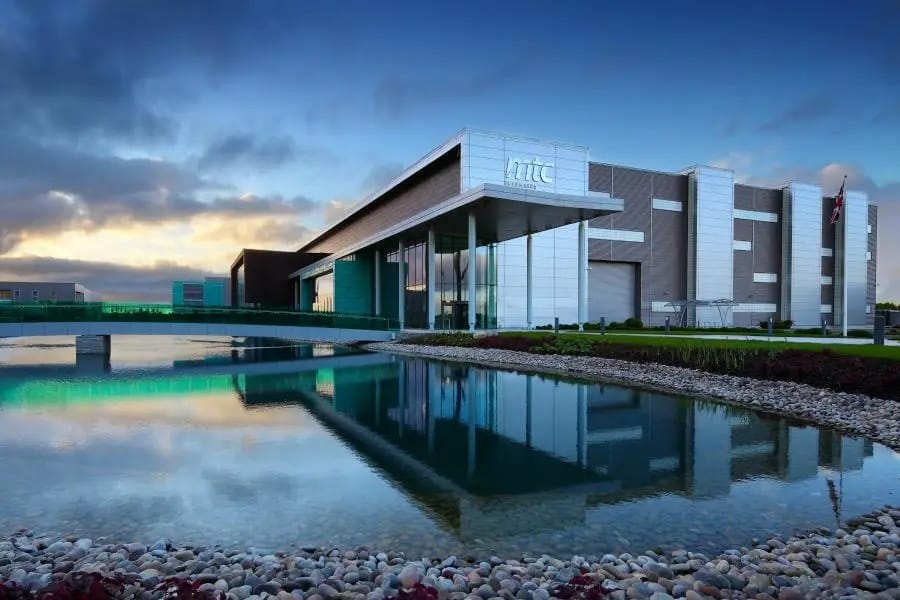
On Monday, John Healey delivered his first major speech as Chancellor. Speaking at the Manufacturing Technology Centre in Coventry, Healey said his central purpose is to boost growth across Britain. The Chancellor’s speech comes days after Bank of England Governor, Andrew Bailey, warned that the UK is currently facing “very, very substantial challenges.” In his […]
Market Commentary
Buyers have plenty of choice this autumn and will be able to make competitive bids for homes
The latest House Price Index from Zoopla indicates that buyers are regaining confidence and returning to the housing market. In August, home searches were up 7%, marking the strongest annual increase in 12 months. Sales agreed were still down 6% annually last month, but the rise in searches suggests more transactions could come in the […]
